New Build
Residential
Custom Home + Guest House

Two Creeks Residence

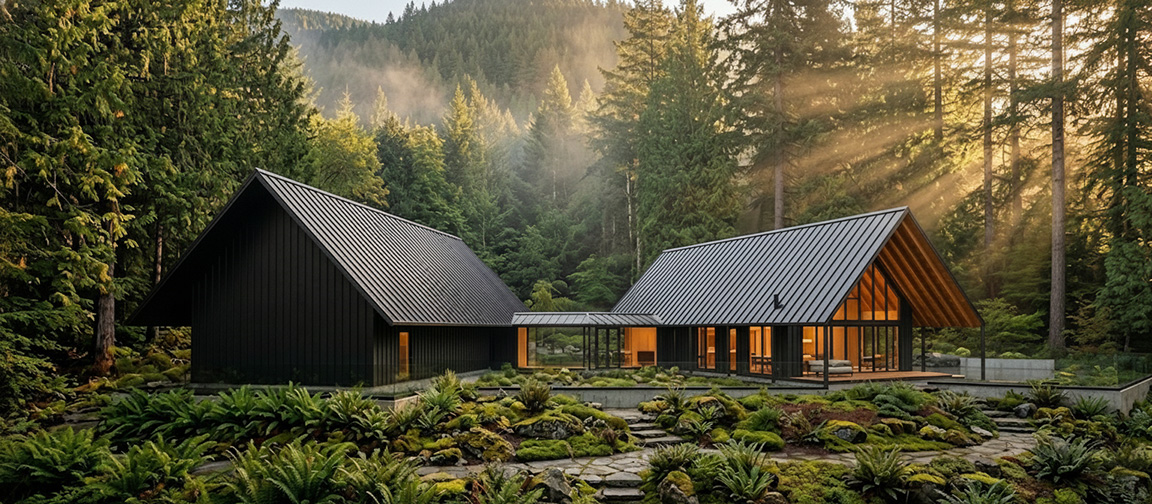
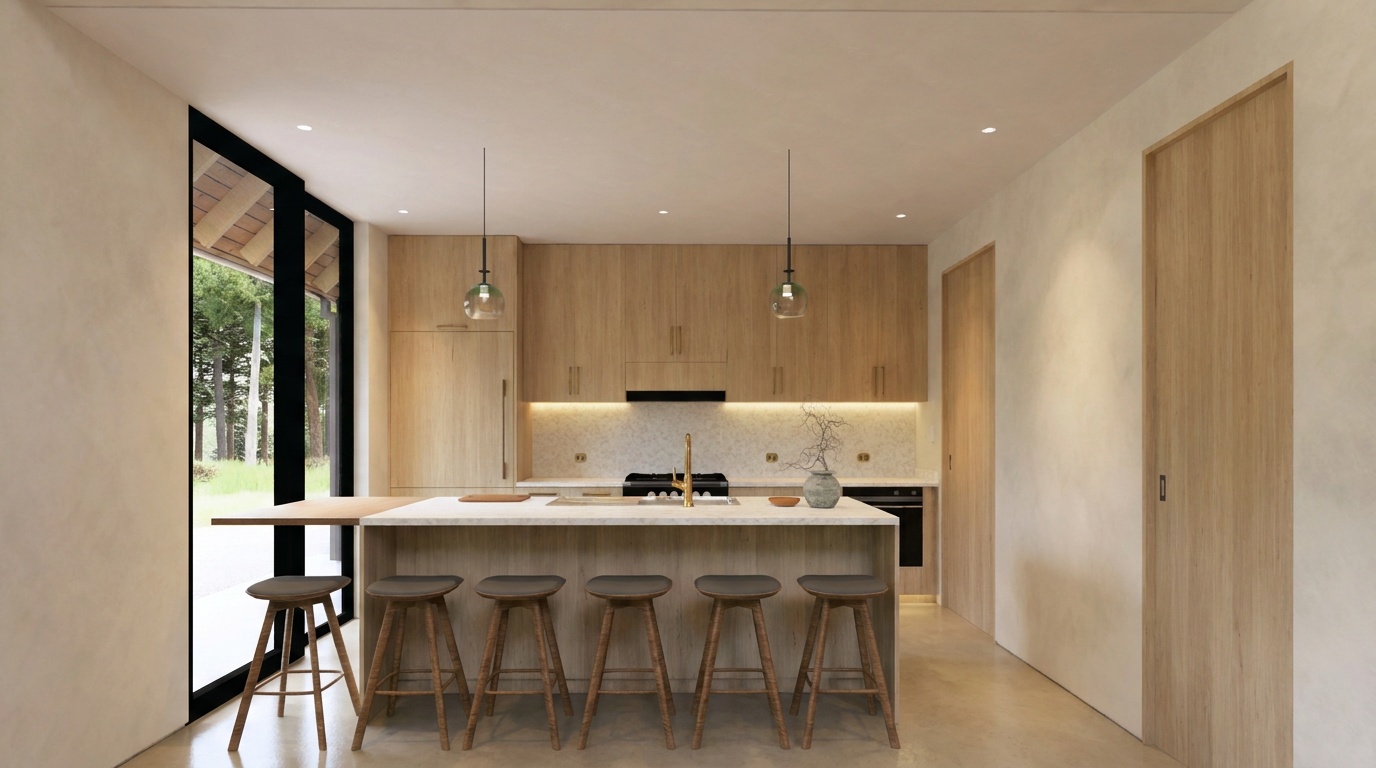
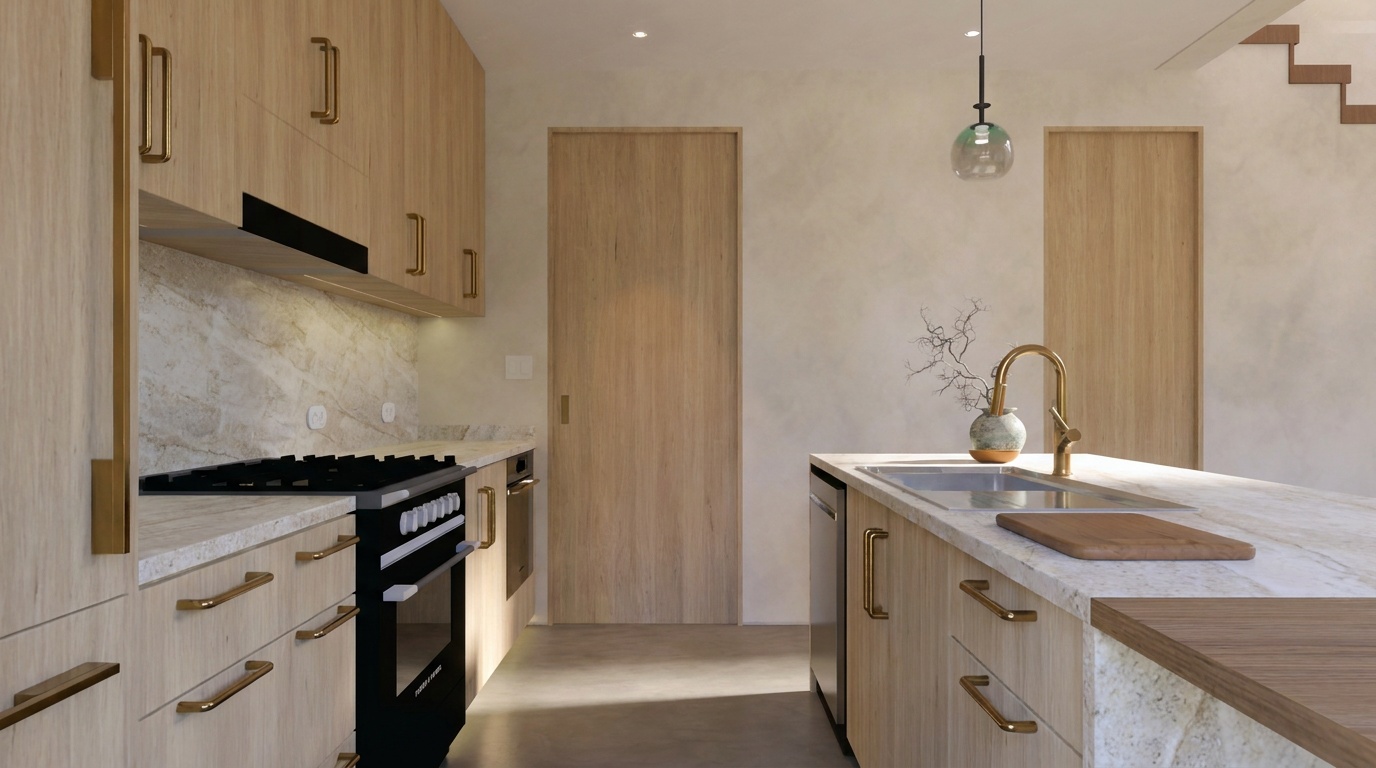
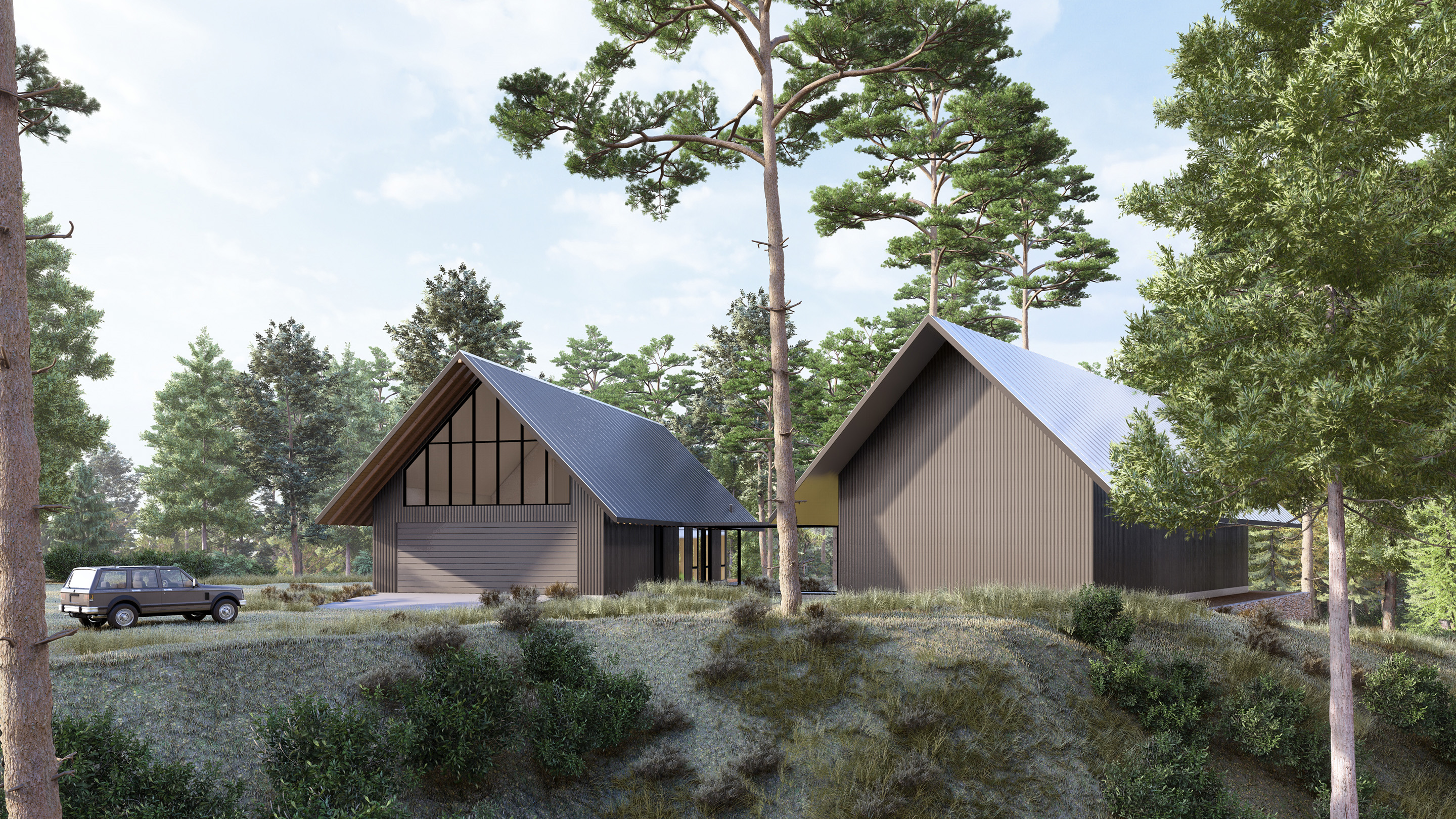
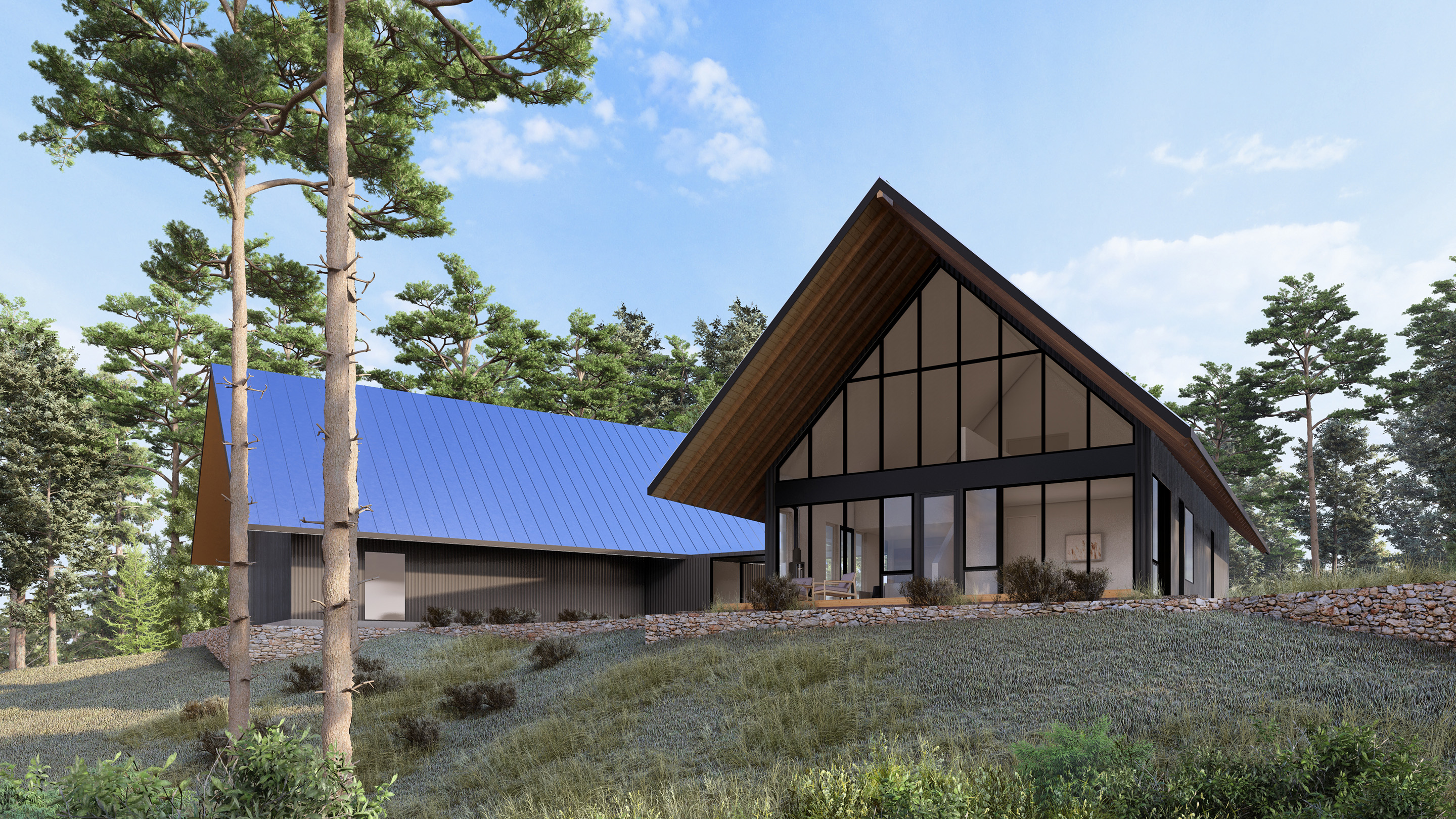
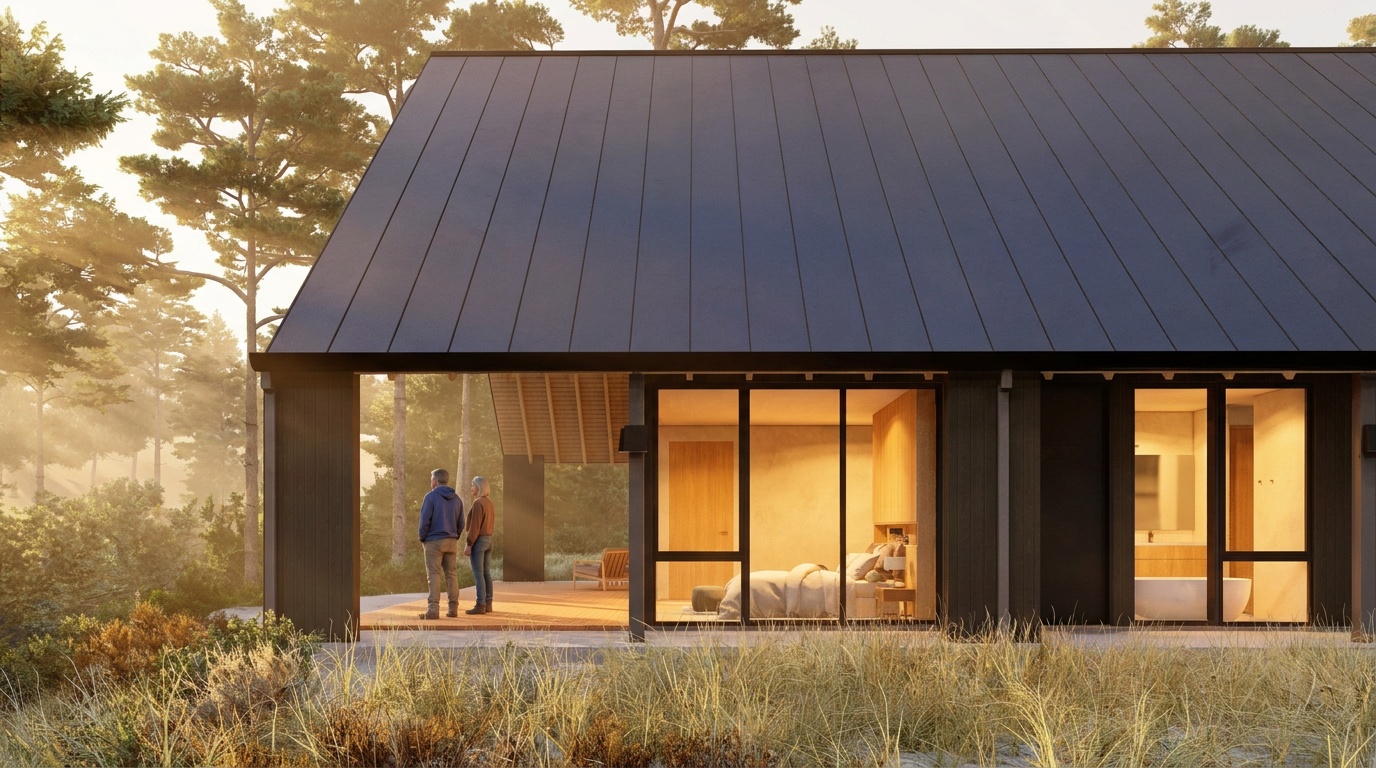
Aforma supported the development of a custom residence and guest house designed for durability, efficiency, and long-term livability. The project balances clean, modern design with practical systems planning, tailored for a forested site and evolving future use.
Overview

A Practical Approach to Modern Rural Living

This project involves the design of a main residence and a detached guest house, both developed with a focus on durability, energy performance, and functional living.

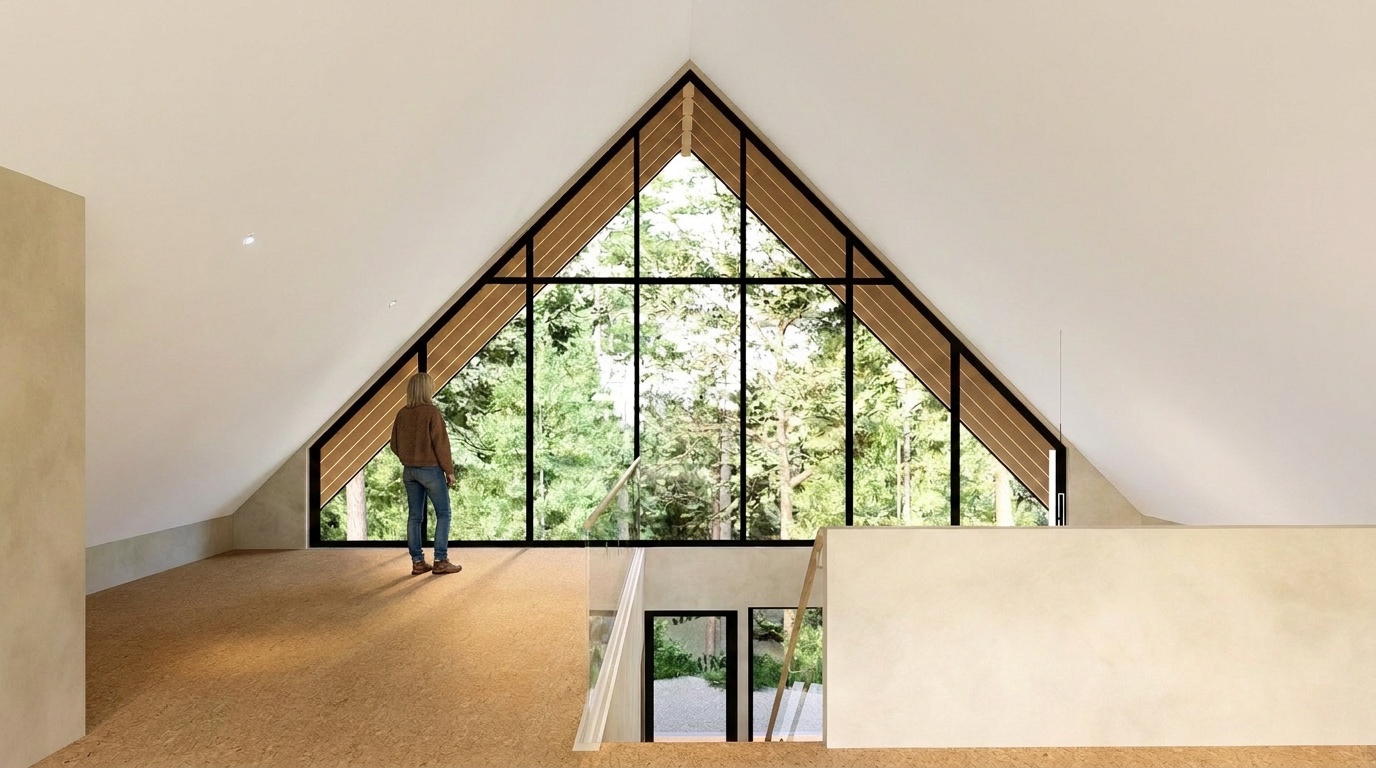
The design takes cues from simple, clean forms while integrating systems and construction strategies that support long-term maintenance, safety, and flexibility.
Location:
Oceanside, OR
Year:
2026
Status:
In Progress
Collaborators
Architect, Engineers, Builder
Project Type:
Ground-Up Residential
Challenge

Balancing Design Simplicity with Technical Complexity

While the architectural direction is intentionally minimal, the technical requirements are highly detailed.

  • Coordinating separate structures (main house and guest house)
  • Ensuring complete air separation between garage and living spaces
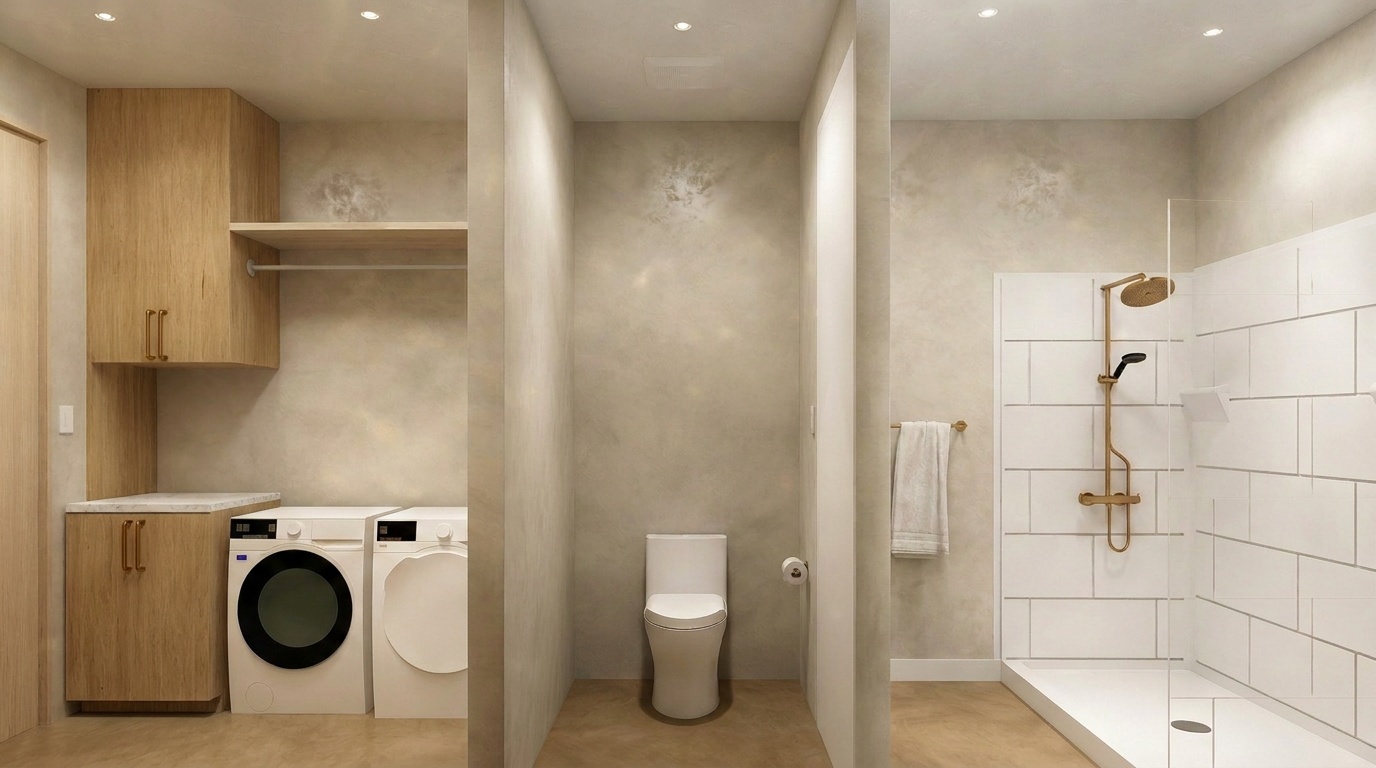
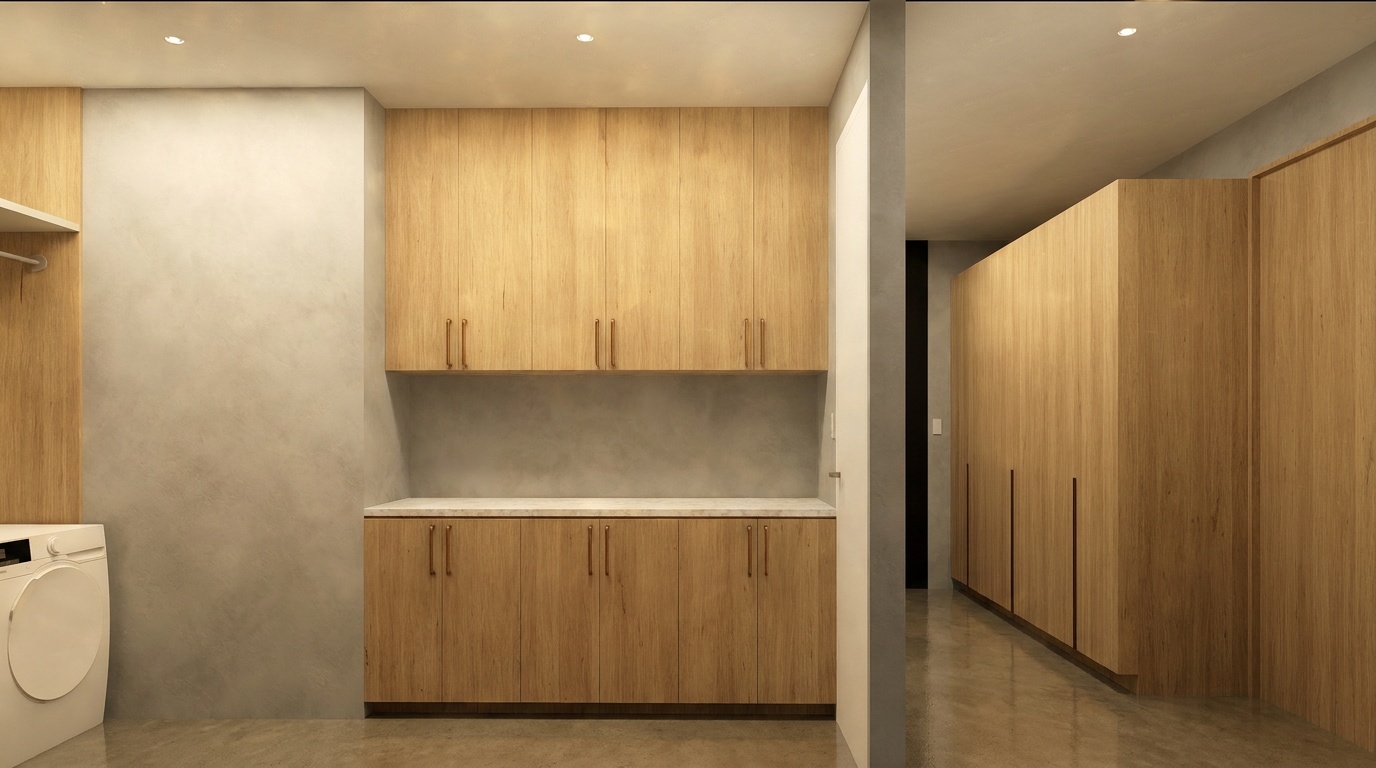
  • Integrating mechanical, plumbing, and electrical systems efficiently
  • Designing for environmental resilience, including fire-prone conditions
  • Managing future expansion and utility planning
Approach

System-Driven Design and Coordination

Aforma supported the project through detailed modeling and documentation, ensuring that design intent aligns with real-world construction requirements.

  • Developed coordinated plans for main house and guest house layouts
  • Organized plumbing and mechanical systems to reduce complexity
  • Ensured proper air sealing and separation between key zones
  • Integrated energy-efficient systems, including ERV and LED lighting
  • Supported structural clarity through clean roof forms and simple massing
Result

A Buildable, Future-Ready Residential Design

The project results in a cohesive residential layout that balances architectural clarity with technical performance.

Both structures are designed to function independently while maintaining a unified design language, supporting both current use and future flexibility.

Resilient Design
Materials and systems selected to withstand environmental conditions, including fire resistance
Efficient Systems Planning
Optimized plumbing, HVAC, and electrical layouts reduce long-term complexity
Clear Functional Zoning
Garage, living, and service areas are intentionally separated for safety and performance
Future Flexibility
Infrastructure supports future expansion and evolving use